


You’re asking the right question. You’re just asking it among the wrong people.
You’re looking for a straight answer.
The insurance company for the driver who hit you is looking for a loophole.
While you’re thinking about fairness and the law, their adjuster is running a calculation:
“How can I make this the rider’s fault so I can save my company a quarter-million dollars?”
It’s a rigged game.
And if you’ve just been in a motorcycle accident, you’re the #1 target.
Forget the insurance company’s script.
Forget their fake sympathy.
Here, you’re going to get the truth. First, we’ll give you the official answer—the law. Then, we’ll show you how they use that same law as a weapon against you.

In the simplest terms, New York law says that a car driver can be 99% at fault, and you can still get paid. This principle is called Pure Comparative Negligence.
It’s the rulebook for every accident case in the state. But for riders, it’s the rulebook they use to beat you over the head.
What is CPLR § 1411? The Law They’ll Twist to Pay You Less.
New York Civil Practice Law & Rules (CPLR) § 1411 is the formal name for the law. All it means is that your final settlement or award is reduced by your percentage of fault.
- If you have $100,000 in damages but are found to be 10% at fault, you can collect $90,000.
- If you are found to be 50% at fault, you can collect $50,000.
- Even if you are found to be 90% at fault, you can still collect $10,000.
To a lawyer, this is a formula.
To an insurance adjuster, it’s a gold mine.
Their entire job is to inflate your percentage of fault. They’ll hunt for any excuse to pile on the blame. “You were going 5 MPH over the limit, right?” That’s not a question. That’s them trying to shave 10% off your check. “You could have swerved, couldn’t you have?” That’s them trying to steal another 20%.
It’s a disgusting, calculated game of percentages. And they play it all day, every day. We exist to make sure they can’t play it with you.

Fault isn’t random. It follows patterns. Here are the most common traps riders fall into on New York roads.
The Classic “Left-Turn Ambush”
A car making a left turn at an intersection smacks right into you as you’re going straight. This is the most common cause of motorcycle accidents. In almost all cases, the turning car is at fault for failing to yield the right-of-way. But they’ll still try to claim you were speeding or that you “came out of nowhere.”
The “I Didn’t See Him” Lane Change
A car merges directly into your lane and into you, because they didn’t check their blind spot. Drivers have a legal duty to see what’s there to be seen. “I didn’t see him” is not an excuse; it’s an admission of negligence.
The Rear-End Collision: Is the Car Driver Always At Fault?
Usually, yes. If a car plows into the back of your bike, they were following too closely or not paying attention. But adjusters love to flip this. They’ll suggest you stopped too suddenly or that your brake lights weren’t working, trying to pin some of the blame back on you.
What About Lane Splitting?
Lane splitting in New York—riding between lanes of stopped or slow-moving traffic—is currently illegal in New York. While this complicates things, it does NOT automatically make an accident your fault. If a driver acts negligently and hits you, they still bear responsibility. Don’t let an adjuster tell you that because you were lane splitting, you have no case. It’s a lie.

Let’s cut the crap. You’ve been through enough. The insurance company for the driver who hit you is not your friend. They are a multi-billion-dollar business, and their one and only goal is to protect their profits by paying you as little as possible.
Their #1 Weapon: The Recorded Statement
Soon after the accident, a friendly-sounding adjuster will call you. They’ll ask for your side of the story “for their records.” This is a trap. They are recording you, hoping you’ll say something they can twist. “I’m doing okay,” becomes “He wasn’t really injured.” “It happened so fast,” becomes “He’s admitting he wasn’t paying attention.” Never give a recorded statement without talking to a lawyer.
Their #2 Weapon: The Lowball Offer
If they know their driver was clearly at fault, they’ll try a different tactic: a quick, lowball offer. They might offer you a few thousand dollars to “cover your troubles” before you even know the full extent of your injuries. It’s a test. They’re betting that you’re desperate and that you’ll take the chump change and sign away your rights to a real settlement. An early offer is a red flag that your case is worth much, much more.
An insurance company’s offer only covers what they absolutely have to. Your actual damages are much more. We fight for everything.
- All Medical Bills: Not just the ER visit. Future physical therapy, surgery, medication, and in-home care.
- Total Lost Wages: The paychecks you’ve already missed and the income you’ll lose if you can’t return to work at full capacity.
- Bike Repair or Replacement: The real cost to get your ride back on the road or replace it like-for-like.
Pain and Suffering (The Human Cost They Hate to Pay): This is the big one. It’s compensation for the physical pain, the mental anguish, and the hell they put you through. This is where a real fight gets you a real check.
Do I need a lawyer if the insurance company has already made an offer? Yes. An offer is a trap. It’s a sign they know your claim is valid and they’re testing you to see if you’ll accept pennies on the dollar. The fact that you have an offer is the #1 reason to call a lawyer immediately.
How much does a motorcycle accident lawyer cost? Zero dollars upfront. We only get paid if YOU win. This is called a contingency fee. If you don’t get a settlement, you don’t owe us a dime. It costs you nothing to see what we can do for you.What if I admit I was partially at fault? Don’t. This is where they get you. Even if you believe you were partially to blame, you can still get a significant settlement in New York. Don’t let an adjuster convince you your claim is worthless. Talk to someone who is on your side before you talk to them.
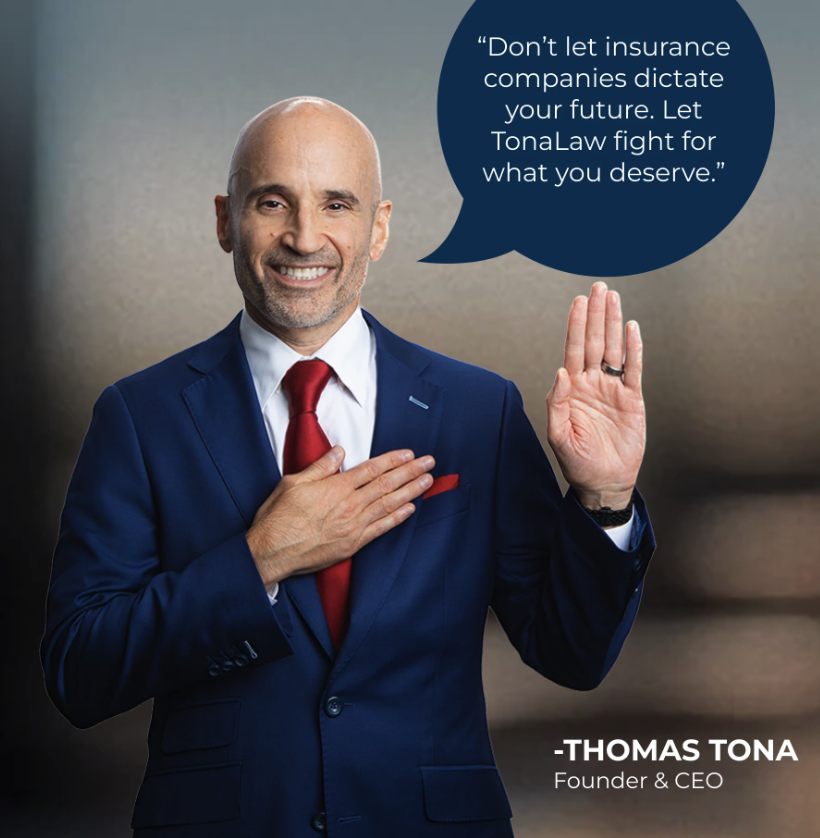
Most law firms have a mission statement. It’s bullshit they hang on the wall. We have a pledge. Your setback isn’t just an “inconvenience”—it’s a pile of medical bills, a wrecked bike, and the constant, nagging fear that you’re about to get screwed. The comeback isn’t just “a positive outcome”—it’s the check that clears your debts, the peace of mind you get from beating the insurance companies at their own game, and getting your life back. Our pledge, from every single person on our team, is to fight for that comeback.
Our 3-Step “No-BS” Valuation Process
- Tell Us What Happened (5 Mins): A quick, confidential call. No legal jargon, just the facts.
- We Calculate the Real Number: We’ll give you an honest, straightforward valuation of your claim. No fluff.
- You Decide Your Next Move: Armed with the truth, you can make a smart decision—no pressure from us.
SHARE


